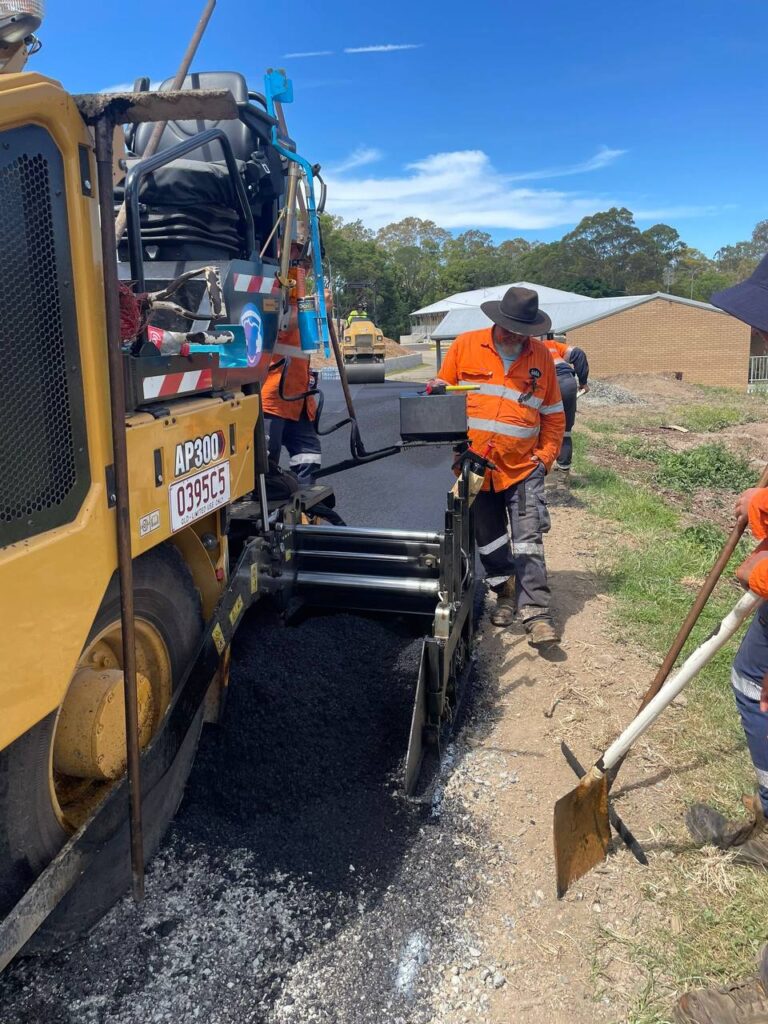
An asphalt driveway can deteriorate gradually, so small changes are easy to overlook. Spotting them early can help you understand whether the surface needs maintenance, local repairs or a closer assessment. In Strathpine, QLD, sun, rain and regular vehicle use can all affect how an asphalt driveway wears over time.
Early warning signs to look for
Fine cracks or widening gaps
Fine lines may appear as asphalt ages. Cracks can widen when water enters the surface and the ground beneath it shifts or weakens. Keep an eye on whether they spread, join together or reappear after repairs.
A few small cracks do not always mean the whole driveway needs resurfacing. Their pattern, depth and location help determine what attention may be suitable.
Potholes or loose surface material
A pothole can form when water gets through a weak area and repeated traffic breaks up the asphalt. Loose stones or crumbling edges may also signal that the surface is losing strength.
These areas can grow if left exposed to further water and vehicle movement. Avoid driving over a damaged patch where possible and arrange an assessment if it continues to break apart.
Fading and a dry, brittle appearance
Asphalt can become lighter and less flexible as its surface ages. Fading on its own does not confirm that resurfacing is needed, but it is useful to consider alongside cracking, loose material or uneven areas.
A contractor can assess whether the wear is mainly at the surface or whether it points to a deeper problem.
Water that sits after rain
Pooled water may indicate that the driveway has low spots, uneven sections or drainage issues. Standing water can also find its way into existing cracks and contribute to further deterioration.
Notice where water collects and whether it remains there well after rainfall. This information can help when the surface is inspected.
Dips, soft spots or uneven patches
A change in level can suggest movement or weakness in the supporting base beneath the asphalt. If a section feels soft, sinks under vehicle use or becomes increasingly uneven, it may need more than a surface-level repair.
Edges that are breaking away
Driveway edges can crumble when they lack support or are repeatedly driven over. Look for pieces breaking off, cracks running along the edge or a narrowing section where the asphalt meets the surrounding ground.
What to do when you notice a problem
Take note of where the damage is, how quickly it is changing and whether water collects nearby. A few photos taken over time can make it easier to see whether a crack or dip is spreading.
An asphalt assessment can help identify the likely cause and whether a local repair or broader resurfacing work is appropriate. The condition of the existing surface and its base should guide the recommendation.
Conclusion
Cracks, potholes, fading, standing water and uneven areas can all be early signs that an asphalt driveway needs attention. For property owners in Strathpine, QLD, having the surface assessed can help clarify the next practical step. Contact Strathpine Surfacing Solutions to discuss your driveway and arrange an assessment.
Call us on: 07 3113 9873
Click here to find out more about Strathpine Surfacing Solutions
Click here to complete our contact form and see how we can help with your surfacing needs.