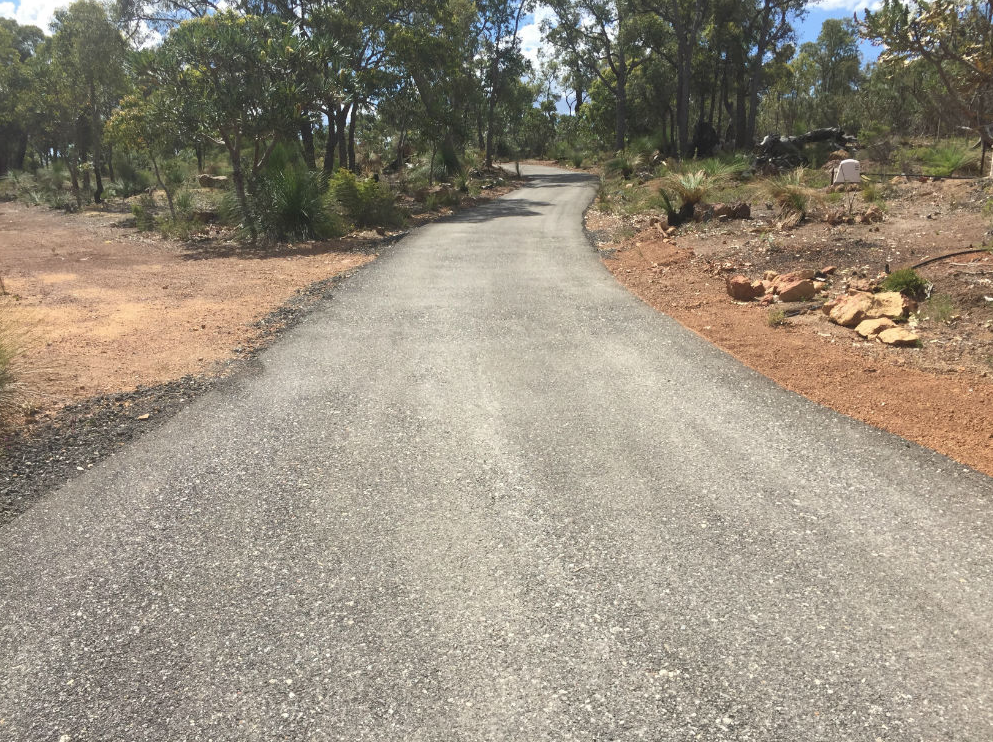
Choosing a driveway surface involves more than considering how it will look when first installed. The surface needs to suit the property’s access requirements, expected vehicle movements, existing ground conditions and drainage. For some properties, particularly those with longer or larger driveway areas, spray & seal bitumen can provide a practical and durable solution.
For homeowners and property owners in Strathpine, QLD, understanding how spray & seal works and where it performs best can make it easier to decide whether it is suitable for a particular driveway. Strathpine Surfacing Solutions provides professional spray & seal and asphalt surfacing with careful attention to preparation and the intended use of each surface.
What Is a Spray & Seal Driveway?
Spray & seal is a bituminous surfacing method in which a layer of bitumen binder is sprayed over a properly prepared pavement base. Selected aggregate is then spread across the binder and rolled into the surface.
The result is a sealed driveway with a visibly textured aggregate finish. It differs from asphalt, which consists of aggregate and bitumen mixed together before being laid and compacted into a denser, smoother surface.
Neither method is automatically suitable for every driveway. Site conditions and expected use should guide the decision.
Where Can Spray & Seal Work Well?
Spray & seal can be particularly useful when a property has a substantial driveway or access area that would benefit from being converted from an unsealed pavement to a more defined sealed surface.
Depending on site conditions, it may be considered for:
- Residential driveways
- Longer property entrances
- Private accessways
- Shared vehicle access areas
- Larger residential parking and turning areas
The existing pavement must still provide suitable structural support. Spray & seal creates the wearing surface; it does not compensate for an unstable foundation underneath.
A More Defined Surface Than an Unsealed Driveway
Loose gravel and other unsealed driveway materials can move under vehicle tyres, particularly where cars regularly turn, brake or accelerate. Weather can also contribute to material displacement and erosion.
A properly constructed spray & seal driveway binds aggregate into a bituminous layer, creating a more stable and defined surface.
This can help provide:
- More consistent vehicle access
- Reduced loose surface material
- Improved surface texture
- Less dust than an unsealed driveway
- A neater and more established entrance
For properties in Strathpine where an existing unsealed driveway requires an upgrade, these can be meaningful everyday improvements.
Spray & Seal Has a Textured Finish
Homeowners considering spray & seal should understand that its appearance and driving characteristics differ from asphalt.
Because aggregate forms the exposed wearing surface, spray & seal has a noticeably textured finish. Asphalt generally provides a smoother and more uniform appearance.
The preferred option therefore depends partly on what the homeowner expects from the completed driveway. Someone wanting a very smooth, dense finish may favour asphalt, while spray & seal can suit a property where a textured sealed surface is appropriate.
How Does Spray & Seal Handle Regular Vehicle Use?
When the pavement structure is properly prepared for the vehicles using it, spray & seal can provide dependable performance under normal driveway traffic.
The aggregate forms the wearing layer that receives direct tyre contact, while the bitumen binds the surface and helps protect the pavement below.
Performance depends on several factors, including:
- Strength of the underlying base
- Quality of preparation
- Vehicle types
- Frequency of use
- Turning and braking movements
- Drainage conditions
This is why the driveway needs to be assessed as a complete pavement rather than viewing the seal as a standalone layer.
Proper Base Preparation Is Essential
A spray & seal driveway will only perform as well as the pavement supporting it.
If the existing base contains soft sections, deep ruts, significant potholes or unstable material, those problems should be addressed before sealing. Applying bitumen and aggregate over a failing foundation is unlikely to produce a reliable long-term result.
Professional preparation can involve:
- Reshaping the driveway
- Correcting damaged areas
- Adding or preparing suitable pavement material
- Compacting the base
- Establishing appropriate surface levels
- Preparing the pavement for sealing
Completing this work properly gives the finished surface a stronger foundation.
Drainage Can Determine Long-Term Performance
Driveway drainage should never be treated as an afterthought. Water that repeatedly collects in low areas or flows uncontrolled across the pavement can gradually weaken the surface and supporting materials.
Before spray & seal is applied, grading should establish appropriate falls so water can move away from the driveway.
Good drainage helps:
- Reduce standing water
- Protect the pavement base
- Limit erosion around driveway edges
- Maintain more consistent surface conditions
Addressing drainage during preparation can prevent problems that would otherwise continue beneath a newly sealed surface.
Is Spray & Seal Suitable for Larger Driveways?
Larger and longer driveways are among the applications where spray & seal can be particularly practical.
It allows substantial areas to receive a durable sealed wearing surface while retaining the textured characteristics of aggregate. This can make it suitable for properties where the driveway functions more like an extended access road than a short entrance.
However, size alone should not determine the choice. Traffic requirements, gradients, existing pavement condition and areas of concentrated vehicle movement should also be considered.
What About Turning and Parking Areas?
Sections where vehicles regularly turn, brake or manoeuvre experience different forces from straight sections of driveway.
These high-stress areas deserve particular attention during the assessment. The contractor can consider whether the pavement structure and chosen surfacing method are appropriate for those movements or whether a different treatment would perform better in specific sections.
A site-specific approach is more reliable than assuming one construction method is suitable everywhere.
Can an Existing Driveway Be Spray Sealed?
Potentially, yes. An existing pavement may be suitable for spray & seal if its underlying structure is in appropriate condition or can be prepared accordingly.
Before proceeding, the driveway should be checked for:
- Potholes
- Rutting
- Soft sections
- Drainage problems
- Erosion
- Significant surface deformation
These issues should be corrected rather than simply sealed over.
Spray & Seal or Asphalt?
Both surfaces have useful driveway applications, but they provide different finishes and characteristics.
Spray & seal may appeal to property owners seeking a durable, textured sealed surface, particularly across longer access areas. Asphalt may be more appropriate where a smoother and denser finish is preferred or where site use creates different pavement demands.
The most suitable choice depends on the individual driveway rather than one material being universally better.
A professional assessment can consider the driveway’s length, slope, condition, drainage and traffic patterns before recommending an appropriate surface.
Conclusion
Spray & seal bitumen can be a practical driveway solution when it is matched to the property and installed over a properly prepared pavement. It can create a durable, defined and lower-dust surface for residential driveways, longer entrances and private access areas while providing a distinctive textured finish.
Its long-term performance depends heavily on the quality of the base, grading, drainage and installation. Existing structural problems should therefore be addressed before the driveway is sealed rather than hidden beneath a new surface.
For property owners in Strathpine, QLD, Strathpine Surfacing Solutions provides professional spray & seal and asphalt resurfacing tailored to individual site conditions. If you are considering upgrading an existing driveway, a professional assessment can help determine whether spray & seal is a suitable solution for the way your property is used.
Call us on: 07 3113 9873
Click here to find out more about Strathpine Surfacing Solutions
Click here to complete our contact form and see how we can help with your surfacing needs.