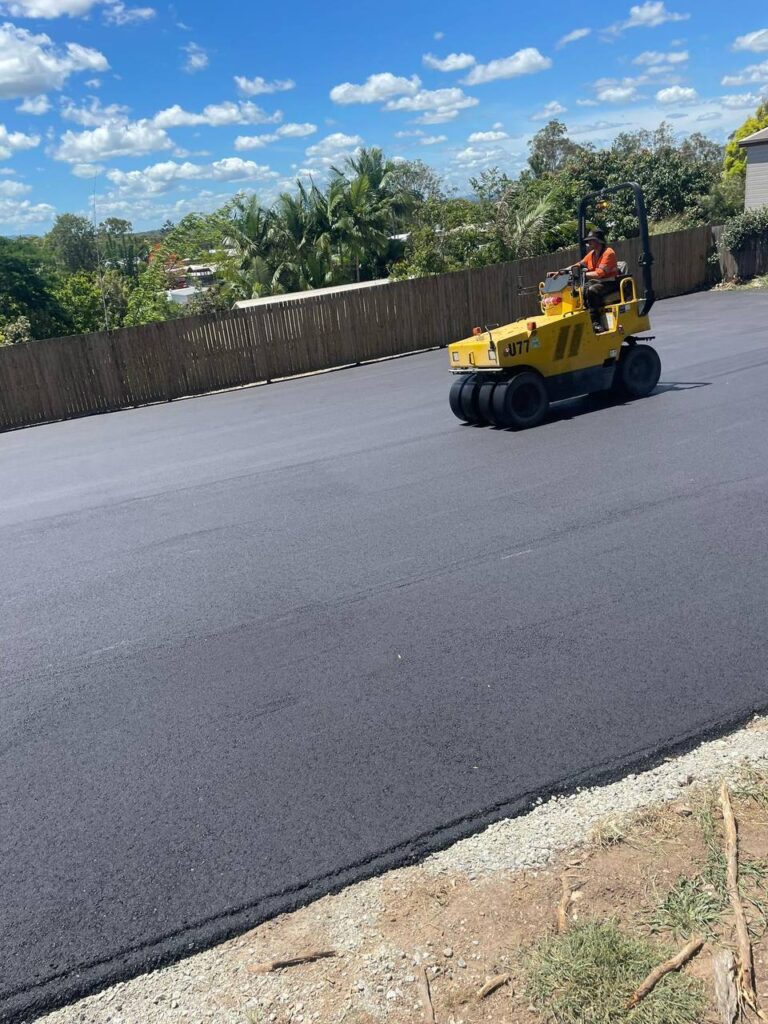
Road grading is one of the most important maintenance practices for preserving the condition, safety, and longevity of roads. Unfortunately, grading is often delayed until visible damage has already occurred, allowing small problems to develop into more serious issues that affect both the pavement and those using it.
For property owners, businesses, and organisations in Strathpine, QLD, scheduling grading before roads deteriorate significantly can help maintain a safer and more reliable surface while reducing the need for extensive repairs. At Strathpine Surfacing Solutions, we understand that preventative maintenance is one of the most effective ways to protect asphalt and bitumen surfaces.
What Is Road Grading?
Road grading is the process of reshaping and levelling the road surface and its foundation to restore the correct profile and improve drainage. It helps maintain the structural integrity of the pavement while ensuring water flows away efficiently.
Professional grading helps to:
- Restore proper road levels
- Improve surface drainage
- Eliminate uneven areas
- Prepare roads for resurfacing when required
- Extend pavement lifespan
Regular grading is an essential part of maintaining safe and durable roads.
Why Roads Become Unsafe
Roads rarely become hazardous overnight. Most safety concerns develop gradually as minor defects worsen over time.
Common warning signs include:
- Surface depressions
- Water pooling after rain
- Cracks expanding across the pavement
- Uneven driving surfaces
- Potholes beginning to form
Addressing these issues early through grading helps prevent further deterioration.
Poor Drainage Creates Ongoing Problems
One of the primary reasons roads deteriorate is ineffective drainage. When water is unable to flow away properly, it can penetrate beneath the surface and weaken the supporting layers.
Poor drainage may lead to:
- Soft pavement foundations
- Surface cracking
- Pothole development
- Edge deterioration
- Premature pavement failure
In Strathpine, QLD, maintaining effective drainage is essential for preserving road performance throughout the year.
Grading Helps Prevent Potholes
Potholes are often the result of water weakening the pavement foundation. Once traffic repeatedly passes over these weakened areas, the asphalt begins to break apart.
Routine grading helps reduce the likelihood of potholes by:
- Improving water runoff
- Eliminating low spots
- Protecting the pavement base
- Maintaining even surface levels
Preventing potholes is far more effective than continually repairing them after they develop.
Improving Driving Safety
A well-graded road provides a smoother and more predictable driving surface.
Benefits include:
- Improved vehicle stability
- Better steering control
- Reduced impact from uneven surfaces
- Safer travel for all road users
Even relatively small surface irregularities can become safety concerns if they are allowed to worsen.
Protecting the Road Structure
The surface of a road is only one part of the overall pavement system. Beneath the asphalt are foundation layers that provide the structural support needed to carry traffic.
Grading helps protect these underlying layers by:
- Directing water away from the pavement
- Reducing erosion
- Maintaining structural stability
- Preventing unnecessary stress on the base
Protecting the foundation significantly improves the long-term performance of the road.
Reducing Long-Term Maintenance
Delaying grading often allows minor defects to expand into larger structural problems. Regular maintenance helps minimise the need for more extensive repairs later.
Proactive grading can help reduce:
- Major pavement failures
- Large potholes
- Surface deformation
- Repeated maintenance work
Scheduling maintenance before significant damage occurs helps keep roads in better condition.
Knowing When Grading Is Needed
Many road issues begin with subtle changes that are easy to overlook.
Signs that grading may be required include:
- Water remaining on the road after rainfall
- Uneven driving surfaces
- Developing cracks
- Small depressions
- Areas showing early signs of wear
Professional inspections can identify these problems before they affect the overall safety and performance of the road.
Professional Assessment Delivers Better Results
Every road has unique requirements based on traffic volumes, ground conditions, drainage patterns, and existing pavement condition.
At Strathpine Surfacing Solutions, we assess each project in Strathpine, QLD, to determine the most appropriate grading and resurfacing approach. By identifying potential issues early, we help maintain safer roads and improve long-term pavement performance.
Conclusion
Road grading should never be viewed as a task that can wait until significant damage appears. By scheduling grading before roads become unsafe, property owners and businesses can improve drainage, reduce pothole formation, protect the pavement structure, and maintain a smoother driving surface.
For clients in Strathpine, QLD, proactive grading is an effective way to extend the life of asphalt and bitumen roads while reducing future maintenance requirements. Strathpine Surfacing Solutions provides professional grading and resurfacing services designed to keep roads safe, durable, and performing at their best.
If your road is showing early signs of uneven wear, drainage issues, or developing surface defects, arranging a professional assessment now can help prevent larger problems and keep your pavement in excellent condition for years to come.
Call us on: 07 3113 9873
Click here to find out more about Strathpine Surfacing Solutions
Click here to complete our contact form and see how we can help with your surfacing needs.