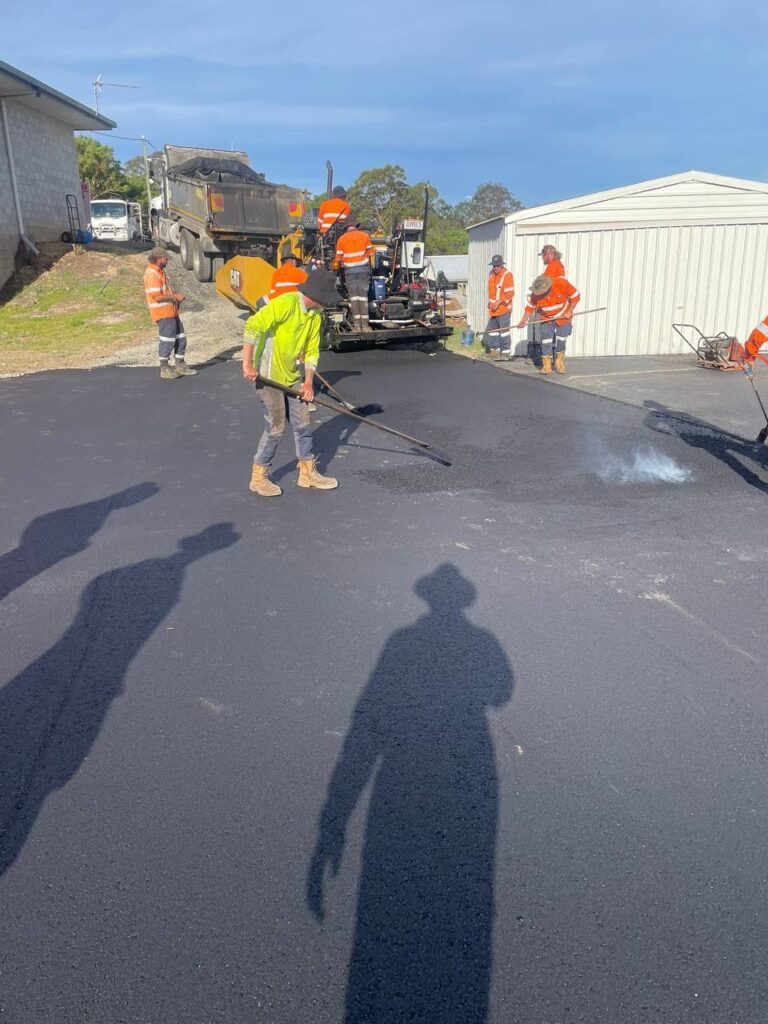
Potholes are among the most common problems affecting asphalt roads, driveways, parking areas and accessways. While repairing a pothole can restore the damaged surface, some potholes reappear in the same location after the repair has been completed. When this happens, it often indicates that the underlying cause of the deterioration has not been fully addressed.
For property owners and businesses in Strathpine, QLD, understanding why potholes return is important for maintaining reliable asphalt surfaces. A successful repair involves more than filling a visible hole. It requires an assessment of the surrounding pavement, the condition of the supporting layers and any drainage or traffic-related issues contributing to the damage.
Why Do Potholes Sometimes Return After Being Repaired?
A pothole develops when part of the pavement deteriorates and material begins breaking away under repeated vehicle movements. Although the visible damage occurs at the surface, the original cause may be located deeper within the pavement structure.
If a repair only replaces the missing asphalt without correcting the conditions responsible for the failure, deterioration can continue beneath or around the repaired section.
Several factors can contribute to recurring potholes, including unstable pavement foundations, water penetration, insufficient preparation and concentrated vehicle loading.
1. The Underlying Pavement Base Is Still Weak
One of the most common reasons potholes return is that the supporting pavement beneath the asphalt has deteriorated.
Asphalt relies on a stable, properly compacted base to distribute vehicle loads. When this material becomes loose, saturated or unstable, the surface above may begin moving under traffic.
A repair placed over a weakened base can initially appear successful. However, continued vehicle movements may cause the new asphalt to settle, crack or break apart.
Signs of possible base deterioration include:
- Potholes repeatedly forming in the same location
- Depressions developing around previous repairs
- Cracking spreading beyond the repaired section
- Asphalt sinking beneath vehicle loads
- Loose or unstable material appearing within damaged areas
Where these conditions are present, the repair may need to extend into the supporting pavement rather than addressing only the surface.
2. Water Is Continuing to Enter the Pavement
Water penetration is another significant cause of recurring potholes.
When rainfall enters cracks, damaged edges or existing depressions, moisture can reach the supporting pavement layers. Depending on the materials involved, prolonged moisture exposure can reduce their ability to support traffic.
As vehicles continue passing over the weakened area, the pavement may flex and deteriorate.
If the original pothole is repaired but the surrounding cracks or drainage problems remain, water can continue affecting the same location.
A lasting repair should therefore consider how moisture is entering the pavement and whether additional work is needed to protect the affected area.
3. Poor Drainage Is Allowing Water to Collect
Potholes frequently develop in sections of pavement where water collects after rainfall.
Low areas, wheel ruts and inadequate surface falls can prevent water from draining away effectively.
Repeated exposure to standing water can accelerate deterioration, particularly where the asphalt already contains cracks or damaged sections.
If a pothole is filled without correcting the depression or drainage issue, water may continue collecting around the repair.
Professional pavement preparation may involve adjusting surface levels, correcting localised depressions or improving drainage before the final asphalt repair is completed.
4. The Previous Repair Did Not Remove All the Damaged Material
A pothole repair depends heavily on the condition of the material surrounding and beneath the damaged area.
If loose asphalt, weakened pavement or contaminated material remains in place, the new repair may not have a stable foundation.
Over time, these remaining defects can contribute to movement and renewed surface failure.
Proper preparation may involve:
- Removing loose and deteriorated asphalt
- Identifying the full extent of the damaged section
- Excavating unstable material where necessary
- Rebuilding weakened supporting layers
- Compacting replacement material
- Preparing the repair area before installing new asphalt
The extent of preparation should reflect the actual condition of the pavement.
A shallow surface defect may require relatively limited work, while a pothole caused by deeper structural deterioration may need a more substantial repair.
5. The Repair Material Was Not Properly Compacted
Compaction is essential when repairing asphalt.
The repaired section needs to be sufficiently dense and stable to withstand the vehicle loads it will experience.
If replacement material is not adequately compacted, it may continue settling after the repair has been completed.
This can create a depression that collects water and places additional stress on the surrounding pavement.
As the surface becomes uneven, cracks may develop around the repaired area, eventually allowing further deterioration.
Professional repair methods focus on appropriate material placement and compaction to help create a stable finished surface.
6. Heavy Traffic Is Concentrated on the Same Area
Not all sections of asphalt experience the same traffic conditions.
Areas where vehicles regularly brake, accelerate, turn or remain stationary under load can experience concentrated pavement stress.
Examples include:
- Property entrances
- Parking areas
- Loading and unloading locations
- Tight turning sections
- Frequently used wheel paths
- Commercial accessways
If the pavement structure is not suitable for the loads being applied, repeated repairs may continue failing.
In these circumstances, the solution may involve strengthening the affected section rather than simply replacing the surface material.
7. Cracks Around the Repair Have Been Left Untreated
A pothole is sometimes only one visible symptom of deterioration affecting a larger section of asphalt.
If surrounding cracks remain untreated, they can continue allowing moisture into the pavement.
Traffic may also place stress on the edges of the repaired section, particularly where the adjacent asphalt is already weakened.
Over time, the original repair may remain relatively intact while new damage develops immediately beside it.
This can make the pothole appear to have returned, even though the new deterioration has formed around the previous repair.
A professional assessment should consider the surrounding asphalt to determine whether the repair area needs to extend beyond the visible hole.
8. The Pavement Has Reached an Advanced Stage of Deterioration
Repeated pothole repairs may become less effective when the wider asphalt surface is approaching the end of its serviceable condition.
If cracking, rutting, surface breakup and settlement are widespread, isolated repairs may address individual defects without resolving the broader deterioration.
Warning signs include:
- Multiple potholes developing close together
- Extensive cracking across the pavement
- Repeated repairs throughout the same area
- Large sections of loose or crumbling asphalt
- Deep wheel ruts
- Persistent surface depressions
When these problems affect a substantial proportion of the pavement, resurfacing or more extensive reconstruction may need to be considered.
The appropriate approach depends on whether the supporting pavement remains structurally sound.
How Can Professional Pothole Repairs Prevent Recurring Damage?
The most effective approach to recurring potholes begins with identifying why the pavement failed.
Rather than focusing exclusively on the visible opening, a professional contractor assesses the surrounding surface and the condition of the supporting layers.
This helps determine whether the problem is limited to the asphalt wearing layer or extends deeper into the pavement.
Assessing the Full Extent of the Damage
The visible dimensions of a pothole do not always reveal the full extent of deterioration.
A relatively small opening may conceal weakened material underneath, while a larger but shallow defect may remain confined to the surface.
Assessment may consider:
- Pothole depth
- Condition of exposed pavement material
- Cracking around the damaged area
- Signs of settlement
- Surface drainage
- Traffic movements
- Previous repair history
- Stability of the surrounding asphalt
Understanding these factors allows the repair method to be matched to the actual problem.
Rebuilding Unstable Sections Where Necessary
Where the pavement base has deteriorated, removing and replacing the affected material may be necessary.
This can involve excavating the failed section, preparing the underlying ground, installing suitable replacement material and compacting the repaired layers before restoring the asphalt surface.
The objective is to provide reliable support beneath the repaired area.
Without this preparation, a new asphalt layer may continue experiencing the same movement that caused the original pothole.
Correcting Drainage Problems
Where water is contributing to repeated damage, drainage should be considered as part of the repair.
This may involve restoring surface levels, correcting depressions or addressing conditions that direct water towards the affected section.
Reducing persistent water accumulation can help protect both the repair and the surrounding pavement.
When Should Asphalt Resurfacing Be Considered Instead?
Individual pothole repairs can be appropriate when the damage is localised and the surrounding pavement remains in reasonable condition.
However, resurfacing may become a more suitable option when surface deterioration is widespread.
Asphalt resurfacing involves preparing the existing pavement and installing a new wearing layer. It can restore a more consistent surface where the supporting pavement remains sufficiently stable.
Before resurfacing, existing potholes, unstable sections and drainage problems should be corrected.
Simply covering failed areas with new asphalt does not restore the structural support underneath.
Where deterioration extends throughout the pavement base, more extensive reconstruction may be necessary before a reliable finished surface can be achieved.
Why Early Attention to Potholes Matters
Small potholes can gradually become larger as vehicles displace loose material and water enters the damaged section.
The longer deterioration continues, the greater the possibility that surrounding asphalt and supporting pavement layers will also become affected.
Addressing damage early can help limit the extent of deterioration and preserve pavement that remains in good condition.
For roads, driveways and parking areas in Strathpine, regular observation is particularly useful around high-traffic sections and areas where water tends to collect.
The Importance of Experienced Asphalt Contractors
Reliable pothole repairs require an understanding of pavement construction, drainage, material preparation and traffic loading.
A repair that looks satisfactory immediately after completion may not perform reliably if underlying weaknesses remain unresolved.
Professional asphalt contractors assess the pavement before determining whether localised repairs, deeper base preparation or resurfacing is appropriate.
This approach helps ensure the work addresses the cause of deterioration rather than simply restoring the appearance of the damaged area.
Conclusion
Potholes often return after repairs because the conditions responsible for the original damage have not been fully corrected. Weak pavement foundations, water penetration, poor drainage, inadequate preparation, insufficient compaction and concentrated vehicle loading can all contribute to recurring deterioration.
A dependable repair involves assessing the complete damaged section, removing unstable material where necessary and restoring the pavement with appropriate preparation and compaction. Where defects have become widespread, resurfacing or deeper reconstruction may be more suitable than repeated localised repairs.
For property owners and businesses in Strathpine, QLD, Strathpine Surfacing Solutions provides professional asphalt repairs and resurfacing tailored to the condition of the existing pavement. If potholes continue returning or previous repairs are beginning to deteriorate, contact our team to arrange an assessment and determine the most appropriate solution for your surface.
Call us on: 07 3113 9873
Click here to find out more about Strathpine Surfacing Solutions
Click here to complete our contact form and see how we can help with your surfacing needs.