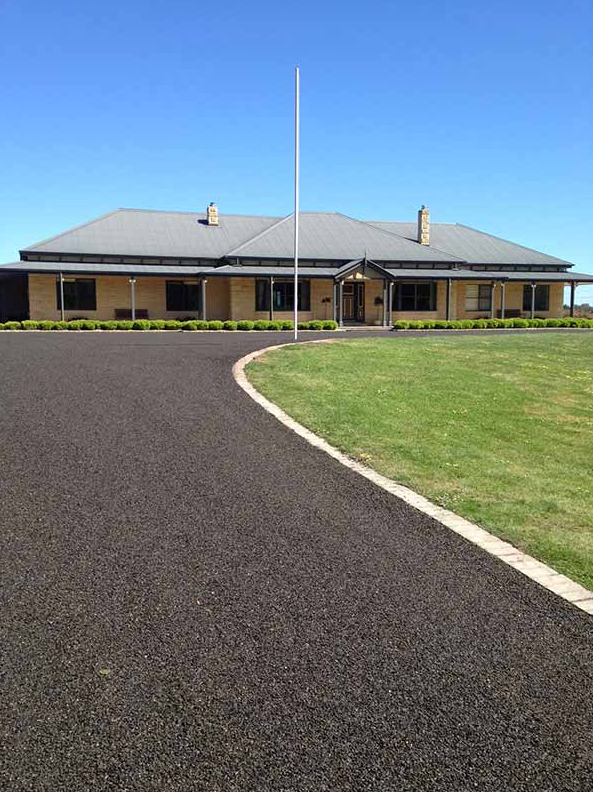
A durable road or driveway depends on much more than the material visible at the surface. The shape, stability and drainage of the pavement underneath all influence how well it performs over time. When these elements begin to deteriorate, problems such as corrugations, ruts, potholes, low spots and poor drainage can quickly follow.
Professional grading is an important part of constructing, maintaining and preparing roads and driveways. Rather than simply smoothing out uneven ground, grading reshapes the pavement to improve its profile, drainage and overall stability. At Strathpine Surfacing Solutions, we provide professional grading and surfacing solutions throughout Strathpine, QLD, helping property owners create stronger and more dependable access surfaces.
What Does Professional Grading Involve?
Grading involves carefully shaping the road or driveway using specialised machinery. The objective is to establish the correct levels and crossfall while redistributing suitable pavement material and correcting uneven areas.
Depending on the condition of the site, professional grading can involve:
- Removing surface irregularities
- Correcting wheel ruts and depressions
- Reshaping the road profile
- Redistributing suitable base material
- Establishing appropriate drainage falls
- Preparing the pavement for compaction
- Creating a suitable foundation for asphalt or bitumen surfacing
The exact process should always be determined by the existing condition of the pavement and how the area will be used.
Creating a Smoother Driving Surface
Ruts, corrugations and uneven sections can make roads and driveways uncomfortable to use and place unnecessary stress on vehicles.
Professional grading reshapes these irregularities to create a more consistent surface profile. Vehicles can then travel across the pavement with fewer sudden changes in level.
A smoother surface can improve:
- Vehicle stability
- Steering control
- Driving comfort
- Access for regular traffic
- Overall usability of the road or driveway
This is particularly valuable on frequently used access routes where deterioration can progressively make vehicle movements more difficult.
Improving Drainage
One of the most important purposes of grading is controlling where water travels.
A road that appears relatively level may actually have low areas where rainfall collects. Standing water can soak into unsealed pavement materials or find its way through defects in an existing sealed surface.
Over time, moisture can weaken the supporting layers and contribute to potholes, rutting and deformation.
Professional grading establishes suitable falls that encourage water to move away from the travelled surface instead of remaining in vulnerable areas.
Why Road Shape Matters
A well-formed road is not necessarily completely flat.
The surface needs an appropriate profile that allows water to move towards drainage areas. The precise shape depends on the site, but the principle remains the same: water should have a clear path away from the main traffic surface.
Correcting the profile can therefore improve both immediate usability and long-term pavement performance.
Reducing Pothole Formation
Potholes often develop where water and vehicle traffic repeatedly affect a weakened section of pavement.
Once a depression begins holding water, the material underneath may become softer. Passing vehicles then displace more material, gradually enlarging the damaged area.
Grading can help interrupt this process by restoring surface levels and correcting drainage. Where suitable, damaged material can be reshaped and compacted to restore a more stable pavement.
However, deeper structural failures may require additional repairs before grading can provide a lasting result.
Correcting Wheel Ruts
Repeated vehicle movements can gradually create wheel tracks, particularly where the pavement base has become loose or unstable.
Ruts can make driving uncomfortable while also becoming channels that collect or direct water along the road.
Professional grading can correct suitable rutting by reshaping the affected pavement and restoring the intended road profile. Correct compaction afterwards is important so the repaired material is less likely to move again under traffic.
If rutting repeatedly returns, the underlying pavement should be investigated rather than continually reshaped.
Strengthening the Foundation for Surfacing
Grading is also an essential preparation stage before asphalt or Spray & Seal bitumen is installed.
The finished surface relies on the layers beneath it for structural support. Installing asphalt or bitumen over an uneven or poorly shaped foundation can leave weaknesses that eventually become visible at the surface.
Professional grading helps establish:
- Correct pavement levels
- Consistent surface profiles
- Suitable drainage
- Stable transitions
- An appropriate base for compaction
Once the foundation has been properly prepared and compacted, the asphalt or bitumen surface has much better conditions in which to perform.
Improving Existing Driveways
Driveways can gradually lose their original profile through regular vehicle traffic, weather exposure and movement of the underlying material.
Common warning signs include:
- Low spots after rainfall
- Wheel-track depressions
- Loose material
- Uneven entrances
- Washouts
- Rough driving areas
Professional grading may restore suitable driveways by redistributing material, correcting levels and improving water runoff.
Where deterioration is more advanced, grading can form part of a larger reconstruction or resurfacing project.
Helping Roads Cope with Regular Traffic
Traffic does not affect every part of a road equally. Entrances, corners, braking areas and frequently used wheel paths can experience concentrated loading.
If the pavement is poorly shaped or inadequately compacted, these locations can deteriorate faster than surrounding sections.
Professional grading creates a more consistent foundation and removes unnecessary irregularities that can contribute to localised wear. When combined with appropriate pavement materials and compaction, this can help the road cope more effectively with its intended traffic.
Grading Is Not a Solution for Every Pavement Problem
While grading is extremely useful, it is important to understand its limitations.
It cannot simply erase serious structural deterioration. If the pavement contains very weak base material, extensive water damage or significant failure beneath an existing asphalt surface, additional reconstruction may be necessary.
This is why professional assessment matters. An experienced contractor can determine whether the road needs straightforward regrading or whether base repairs, drainage improvements or resurfacing should also be completed.
Why Professional Grading Makes a Difference
Effective grading requires an understanding of more than how to operate machinery. The contractor needs to consider how the pavement carries traffic, where water needs to flow and whether the existing material is suitable for continued use.
A professional approach considers:
- Current pavement condition
- Traffic requirements
- Drainage patterns
- Existing road profile
- Base stability
- Future surfacing requirements
This allows the grading work to address the actual performance of the road or driveway rather than simply improving its appearance.
Conclusion
Professional grading can significantly improve roads and driveways by restoring a smoother profile, correcting ruts and depressions, improving drainage and creating a stronger foundation for future surfacing. When completed as part of a properly planned pavement maintenance or construction process, grading can also help reduce pothole formation and support more reliable vehicle access.
At Strathpine Surfacing Solutions, we provide professional grading, asphalt and bitumen surfacing services throughout Strathpine, QLD. If your road or driveway has become uneven, poorly drained or difficult to use, contact our team to arrange an assessment. We can determine what is causing the deterioration and recommend an appropriate grading and surfacing solution for dependable long-term performance.
Call us on: 07 3113 9873
Click here to find out more about Strathpine Surfacing Solutions
Click here to complete our contact form and see how we can help with your surfacing needs.